
Qi2.2 Zertifizierungsmeilenstein: Über 600 Produkte gestalten den Markt für kabelloses Laden im Jahr 2026 neu
Executive Summary
Die Branche für kabelloses Laden hat einen beispiellosen Meilenstein erreicht: Bis Juli 2026 überschritt die Anzahl der Qi2.2-zertifizierten Produkte weltweit die Marke von 600 Einheiten. Dieses exponentielle Wachstum von 69 zertifizierten Produkten im August 2025 auf über 600 innerhalb von nur 11 Monaten signalisiert die Reife der 25-W-Ladetechnologie und deren schnelle Verbreitung in den Bereichen Unterhaltungselektronik, Automobil und Unternehmen. Diese umfassende Marktanalyse untersucht die Kräfte, die diese Beschleunigung vorantreiben, die wichtigsten Branchenakteure sowie die Bedeutung der Qi2.2-Technologie für Unternehmen und Verbraucher in der sich wandelnden Landschaft des kabellosen Ladens.
Schnellnavigation
- Marktbeschleunigung: Die Wachstumsgeschichte von Qi2.2
- Technologie im Fokus: Was Qi2.2 so besonders macht
- Unternehmenseinsatz: Trends bei der Massenbeschaffung
- Regionale Marktanalyse: Globaler Einsatz von Qi2.2
- Branchenakteure: Zertifizierungsführer und Innovatoren
- Marktausblick: 2026 und darüber hinaus
Kapitel 1: Marktbeschleunigung - Die Wachstumsgeschichte von Qi2.2
Die Entwicklung der Qi2.2-Zertifizierungszahlen erzählt eine eindrucksvolle Geschichte der industriellen Transformation. Als das WPC im Dezember 2024 Qi2.2 offiziell einführte, sagten Branchenbeobachter eine stetige, aber maßvolle Einführung voraus. Stattdessen war die Marktreaktion geradezu explosiv. Laut der offiziellen Zertifizierungsdatenbank des WPC und unabhängigen Marktstudien von Analysten für Ladetechnologie wuchs die Anzahl der Qi2.2-zertifizierten Produkte von nur 69 Einheiten im August 2025 auf über 600 bis Juli 2026 – ein Anstieg von 770 % in elf Monaten.

Diese Beschleunigung spiegelt mehrere konvergierende Faktoren wider. Erstens haben große Smartphone-Hersteller wie Samsung, Apple und Google Qi2.2 als Standard für ihre Flaggschiff-Geräte übernommen, was eine unmittelbare Nachfrage nach kompatiblem Ladezubehör geschaffen hat. Zweitens löst die im „Magnetic Power Profile“ (MPP) von Qi2.2 inhärente magnetische Ausrichtungstechnologie die langjährigen Nutzerfrustrationen bei falscher Platzierung, wodurch die Technologie für den Massenmarkt attraktiver wird. Drittens bringt die 25-W-Leistungskapazität kabellose Ladegeschwindigkeiten in einen wettbewerbsfähigen Bereich zu kabelgebundenen Lösungen und beseitigt damit ein zentrales Hindernis für die Einführung.
Die Zertifizierungsaufschlüsselung offenbart eine interessante Marktdynamik. Stand Juli 2026 decken Qi2.2-zertifizierte Produkte verschiedene Kategorien ab: Desktop-Ladestationen (35 %), tragbare Powerbanks (28 %), Autoladegeräte (22 %), in Möbel integrierte Lösungen (8 %) und industrielle/spezialisierte Anwendungen (7 %). Diese Diversifizierung deutet darauf hin, dass die Qi2.2-Technologie das gesamte Ökosystem des kabellosen Ladens durchdringt, anstatt sich auf eine einzige Produktkategorie zu beschränken.
| Zeitraum | Qi2.2-zertifizierte Produkte | Wachstumsrate | Markttreiber |
|---|---|---|---|
| August 2025 | 69 Einheiten | Basiswert | Erste Markteinführungen von Flaggschiffen |
| November 2025 | 180 Einheiten | +161 % | Nachfrage nach Zubehör zur Weihnachtszeit |
| Februar 2026 | 342 Einheiten | +90 % | Produktankündigungen auf dem MWC 2026 |
| Mai 2026 | 521 Einheiten | +52 % | Unternehmensbeschaffungsprogramme |
| Juli 2026 | über 600 Einheiten | +15 % | Automobil- und IoT-Integration |
Die Wachstumsdynamik zeigt keine Anzeichen einer Verlangsamung. Branchenanalysten prognostizieren, dass die Qi2.2-Zertifizierungen bis Ende 2026 die Marke von 1.000 Einheiten überschreiten werden, wobei ein besonders starkes Wachstum bei Ladelösungen für die Automobilindustrie und professionellen Multi-Device-Stationen erwartet wird. Diese Projektion geht von einer anhaltenden Unterstützung durch Smartphone-Hersteller und einer Expansion in angrenzende Märkte wie Tablets, Laptops und IoT-Geräte aus.
Kapitel 2: Technologie im Fokus - Was Qi2.2 so besonders macht
Um den Markterfolg von Qi2.2 zu verstehen, muss man die technischen Innovationen untersuchen, die es von früheren kabellosen Ladestandards unterscheiden. Der bedeutendste Fortschritt ist die Leistungssteigerung von 15 W auf 25 W, doch diese scheinbar einfache Spezifikationsänderung erforderte grundlegende Neugestaltungen der Ladeschaltkreise, Wärmemanagementsysteme und Sicherheitsprotokolle.
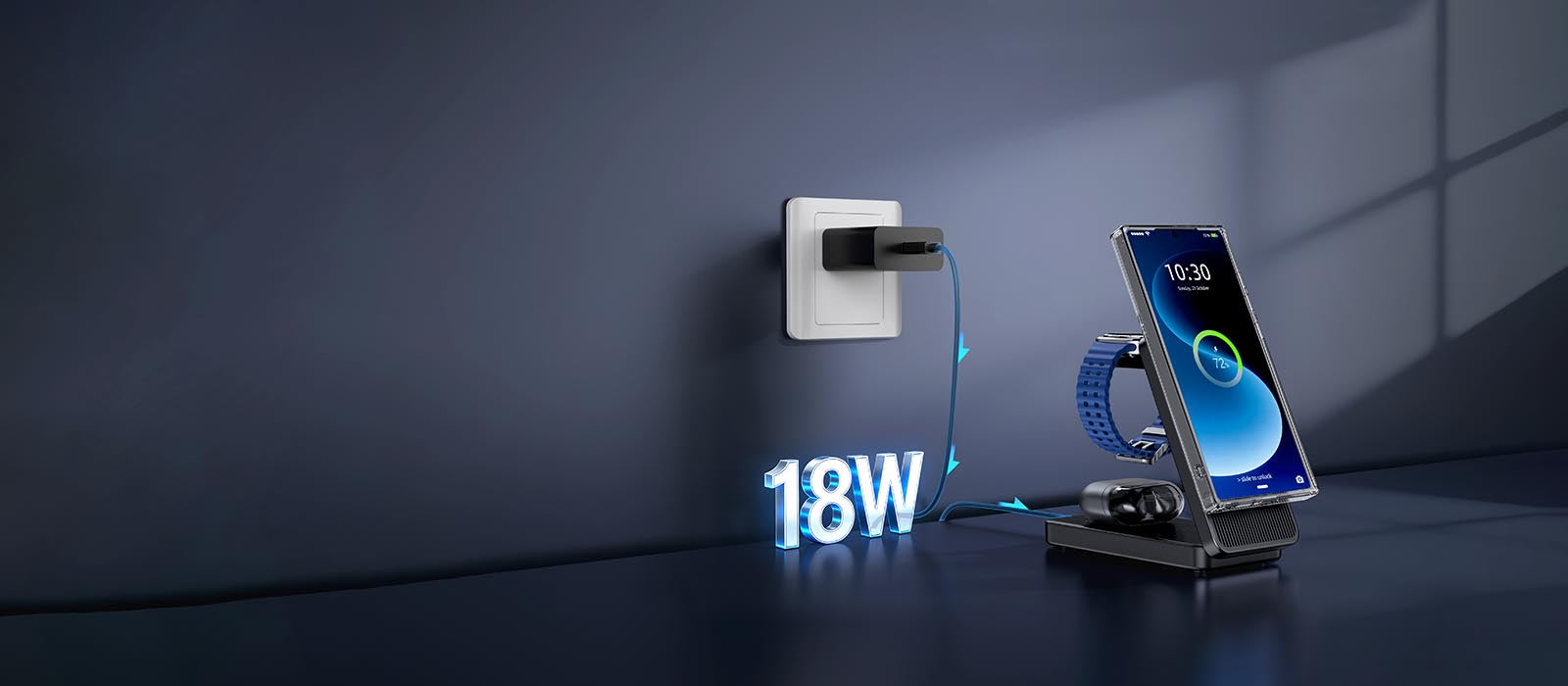
Die Magnetic Power Profile (MPP)-Technologie, die aus Apples MagSafe-Ökosystem übernommen wurde, stellt die grundlegende Innovation in Qi2 und Qi2.2 dar. Durch die Integration von Magneten in die Ladeschnittstelle stellt MPP eine perfekte Ausrichtung zwischen Sende- und Empfängerspule sicher und erreicht Kopplungseffizienzen von 85–92 % im Vergleich zu 70–75 % bei herkömmlichen Qi-Implementierungen. Diese Effizienzsteigerung führt direkt zu schnelleren Ladegeschwindigkeiten und reduzierter Wärmeentwicklung – entscheidende Faktoren für das Erreichen einer 25-W-Ausgangsleistung innerhalb akzeptabler Temperaturgrenzen.
Innovationen beim Wärmemanagement gehen über einfache zusätzliche Kühlkörper hinaus. Qi2.2-zertifizierte Produkte nutzen hochentwickelte thermische Überwachungssysteme, die kontinuierlich die Oberflächentemperatur, Umgebungstemperatur und die Temperatur interner Komponenten messen. Wenn thermische Grenzwerte erreicht werden, implementieren diese Systeme eine dynamische Leistungsmodulation und reduzieren den Ladestrom, um sichere Betriebsbedingungen aufrechtzuerhalten. Einige Premium-Produkte verfügen über aktive Kühlsysteme mit Miniaturventilatoren oder thermoelektrischen Kühlern, was eine dauerhafte 25-W-Ausgangsleistung selbst unter schwierigen Umgebungsbedingungen ermöglicht.
Wichtige technische Spezifikationen: Qi2.2 im Vergleich zu früheren Standards
Leistungsprofil: Bis zu 25 W Dauerleistung bei maximal 40 °C Oberflächentemperatur
Ausrichtungssystem: Magnetic Power Profile (MPP) mit 360°-Positionierungstoleranz
Effizienz: 85–92 % Kopplungseffizienz durch optimierte Spulengeometrie
Sicherheitsmerkmale: Fremdkörpererkennung (FOD), Überstromschutz, Überspannungsschutz, thermische Überwachung
Abwärtskompatibilität: Volle Unterstützung für Qi 1.x und Qi2-Geräte mit deren jeweiligen Leistungsstufen
Zertifizierungsprozess: Vom WPC zugelassene Testlabore verifizieren die Einhaltung aller technischen Anforderungen
Das Fremdkörpererkennungssystem (FOD) in Qi2.2 stellt einen kritischen Sicherheitsfortschritt dar. Durch die kontinuierliche Überwachung des Q-Faktors der Ladespule kann das System metallische Objekte auf der Ladefläche erkennen, die gefährliche Hitze verursachen könnten. Bei Erkennung von Fremdkörpern wird der Ladevorgang sofort beendet, bis das Hindernis entfernt wurde. Diese Sicherheitsfunktion wird immer wichtiger, da sich kabellose Ladestationen in verschiedensten Umgebungen verbreiten, in denen Münzen, Schlüssel und andere metallische Gegenstände versehentlich mit der Ladefläche in Kontakt kommen könnten.
Kapitel 3: Unternehmenseinsatz - Trends bei der Massenbeschaffung
Ein wesentlicher Treiber des Marktwachstums von Qi2.2 sind Beschaffungsprogramme für Unternehmen, da Betriebe die Vorteile einer standardisierten kabellosen Ladeinfrastruktur für Mitarbeiterarbeitsplätze erkennen. Insbesondere IT-Abteilungen von Unternehmen haben Qi2.2 als Teil ihrer umfassenden Gerätemanagementstrategien übernommen und betrachten kabellose Ladestationen als unverzichtbare Arbeitsplatzinfrastruktur, ebenso wie Monitore, Tastaturen und Dockingstationen.
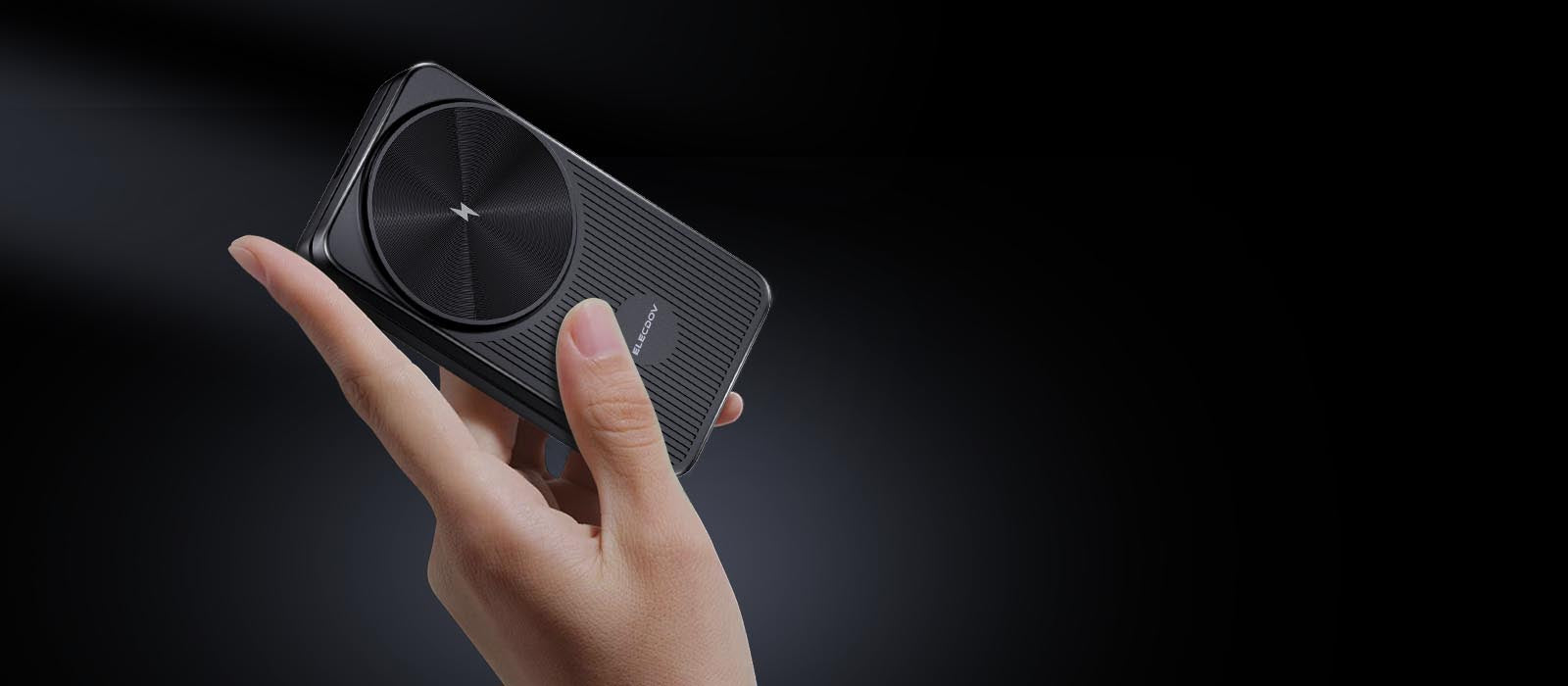
Der Unternehmensmarkt bietet einzigartige Anforderungen, die Qi2.2 effektiv erfüllt. Multi-Device-Ladestationen ermöglichen das gleichzeitige Laden von Telefonen, Uhren und Ohrhörern – Standardausrüstung für moderne Wissensarbeiter. Das magnetische Ausrichtungssystem reduziert IT-Supportanfragen, die durch Ladeprobleme aufgrund schlechter Geräteplatzierung entstehen. Die standardisierte Qi-Zertifizierung vereinfacht die IT-Compliance-Dokumentation, wobei WPC-Zertifizierungsunterlagen für Sicherheitsaudits leicht verfügbar sind.
Elecdov-Beschaffungsprogramm für Unternehmen
Elecdov hat umfassende Beschaffungsdienstleistungen für Unternehmen etabliert, die für Organisationen konzipiert sind, welche Qi2.2-Ladelösungen in großem Maßstab bereitstellen. Zu den wichtigsten Programmmerkmalen gehören:
Mengenrabatte: Ab 10+ Einheiten mit steigenden Rabattstufen bis zu 500+ Einheiten können Unternehmenskunden erhebliche Kosteneinsparungen gegenüber Einzelhandelskäufen erzielen. Die gestaffelte Rabattstruktur belohnt größere Bereitstellungen und bleibt gleichzeitig für kleinere Organisationen zugänglich.
Dediziertes Account Management: Unternehmenskunden erhalten einen festen Account Manager als zentralen Ansprechpartner für Angebote, Auftragsabwicklung, Lieferlogistik und Support nach dem Kauf. Dieses optimierte Kommunikationsmodell beseitigt Unklarheiten und beschleunigt Beschaffungszyklen.
WPC Qi2.2-Zertifizierungsdokumentation: Alle Unternehmensbestellungen enthalten vollständige Konformitätszertifikate, Prüfberichte und WPC-Registrierungs-IDs – wesentliche Dokumente für IT-Compliance-Audits und behördliche Verifizierungen. Diese Materialien werden mit jeder Bestellung kostenlos zur Verfügung gestellt.
Optionen für individuelles Branding: Organisationen, die 50+ Einheiten bestellen, können eine individuelle Logo-Gravur oder Bedruckung der Gehäuse anfragen. Diese Branding-Option ermöglicht es Unternehmen, ihre Corporate Identity zu stärken und gleichzeitig funktionale Annehmlichkeiten für Mitarbeiter bereitzustellen. Für größere Projekte (200+ Einheiten) sind individuelle Farbanpassungen und Premium-Oberflächen erhältlich.
Flexible Lieferoptionen: Bereitstellungen an mehreren Standorten profitieren von der Möglichkeit der Teillieferung, wobei Bestellungen direkt an mehrere Standorte nach koordinierten Zeitplänen geliefert werden. Phasenweise Lieferungen unterstützen Rollout-Zeitpläne, während der neutrale Versand (Blind Shipping) die Vertraulichkeit für Reseller- und Beschaffungsdienstleistungspartnerschaften wahrt.
Erweiterte Garantieprogramme: Unternehmenskunden können zwischen 3- oder 5-jährigen Garantieverlängerungen mit Vorab-Austauschservice wählen, um Ausfallzeiten bei Hardwareproblemen zu minimieren. Diese Garantieerweiterungen bieten Budgetvorhersehbarkeit und Risikominderung für groß angelegte Bereitstellungen.
Beschaffungskontakt: Organisationen, die an Preisen für Unternehmen und Anpassungsoptionen interessiert sind, können Anfragen über das Elecdov-Unternehmenskontaktformular einreichen oder den vollständigen Produktkatalog zur ersten Auswahl durchsuchen.
Der Trend zur Unternehmensadaption passt zu breiteren Transformationsinitiativen am Arbeitsplatz. Da Unternehmen in flexible Bürokonzepte und „Hot-Desking“-Modelle investieren, bieten kabellose Ladestationen eine Stromversorgung für Geräte, ohne dass feste Schreibtischzuweisungen oder eine aufwendige Kabelinfrastruktur erforderlich sind. Diese Flexibilität ermöglicht es Organisationen, Arbeitsbereiche schnell neu zu konfigurieren und gleichzeitig essenzielle Ladekapazitäten für eine mobil arbeitende Belegschaft aufrechtzuerhalten.
Kapitel 4: Regionale Marktanalyse - Globaler Einsatz von Qi2.2
Die geografische Verteilung der Qi2.2-Einführung zeigt signifikante regionale Unterschiede, die durch die Durchdringung des Smartphone-Marktes, regulatorische Rahmenbedingungen und Muster der Technologieeinführung bei Verbrauchern bestimmt werden. Das Verständnis dieser regionalen Dynamiken ist für Hersteller, Einzelhändler und Unternehmenseinkäufer bei der Planung ihrer Qi2.2-Produktstrategien unerlässlich.

Nordamerika: Die USA und Kanada führen die weltweite Qi2.2-Einführung an, angetrieben durch den hohen Marktanteil des Apple iPhone und Investitionen in Unternehmenstechnologie. Große Technologieunternehmen haben Qi2.2-Ladeinfrastrukturen in ihren Hauptsitzen und Niederlassungen standardisiert, was eine beträchtliche B2B-Nachfrage erzeugt. Auch der Automobilsektor hat Qi2.2 übernommen; die meisten neuen Fahrzeugmodelle verfügen über eingebettete Qi2.2-Ladeflächen als Standard- oder optionale Ausstattung. Marktanalysten schätzen, dass Nordamerika etwa 35 % des weltweiten Verkaufs von Qi2.2-Produkten ausmacht.
Europa: Europäische Märkte zeigen eine starke Qi2.2-Einführung, insbesondere in den nordischen Ländern, Deutschland und Großbritannien. EU-Vorschriften zur Standardisierung von Unterhaltungselektronik haben die Einführung von Qi in der gesamten Region beschleunigt. Die europäische Automobilindustrie hat die Qi2.2-Technologie umfassend integriert, wobei Premium- und Mittelklassefahrzeuge das kabellose Laden als Standard anbieten. Europäische Märkte machen etwa 28 % des weltweiten Qi2.2-Verkaufs aus.
Asien-Pazifik: Die Region Asien-Pazifik stellt den am schnellsten wachsenden Qi2.2-Markt dar, angetrieben durch die massive Verbreitung von Smartphones in China, Indien und Südostasien. Samsungs Dominanz auf dem Android-Smartphone-Markt schafft eine erhebliche Nachfrage nach Qi2.2-kompatiblem Zubehör. Chinesische Hersteller haben ihr Angebot an Qi2.2-Produkten rasch erweitert, wobei wettbewerbsfähige Preise die Technologie für Mittelklasse-Verbrauchersegmente zugänglich machen. Die Region macht etwa 30 % des weltweiten Qi2.2-Verkaufs aus.
| Region | Marktanteil | Wachstumsrate (YoY) | Wichtige Treiber |
|---|---|---|---|
| Nordamerika | 35 % | +42 % | Unternehmenseinsatz, Apple-Ökosystem |
| Europa | 28 % | +38 % | Automobilintegration, regulatorische Unterstützung |
| Asien-Pazifik | 30 % | +65 % | Smartphone-Wachstum, Samsung-Ökosystem |
| Rest der Welt | 7 % | +28 % | Smartphone-Verbreitung in Schwellenländern |
Das regulatorische Umfeld hat eine bedeutende Rolle bei regionalen Einführungsmustern gespielt. Die Bemühungen des WPC, Qi als globalen Standard für kabelloses Laden zu etablieren, haben weltweit Unterstützung von Regulierungsbehörden erhalten, wobei mehrere Länder in ihren Verbrauchersicherheitsrichtlinien ausdrücklich auf die Qi-Zertifizierung verweisen. Indiens Anforderungen an die WPC-Zertifizierung für kabellose Ladeprodukte, die 2026 eingeführt wurden, veranschaulichen diesen regulatorischen Trend hin zu standardisierten Sicherheitstests und Dokumentationen.
Kapitel 5: Branchenakteure - Zertifizierungsführer und Innovatoren
Die Wettbewerbslandschaft der Qi2.2-zertifizierten Produkte umfasst etablierte Marken der Unterhaltungselektronik, spezialisierte Hersteller von Ladezubehör und aufstrebende Akteure, die sich auf spezifische Marktsegmente konzentrieren. Die Analyse von WPC-Zertifizierungsdaten offenbart Marktführerschaftsmuster und Innovationstrends in verschiedenen Produktkategorien.
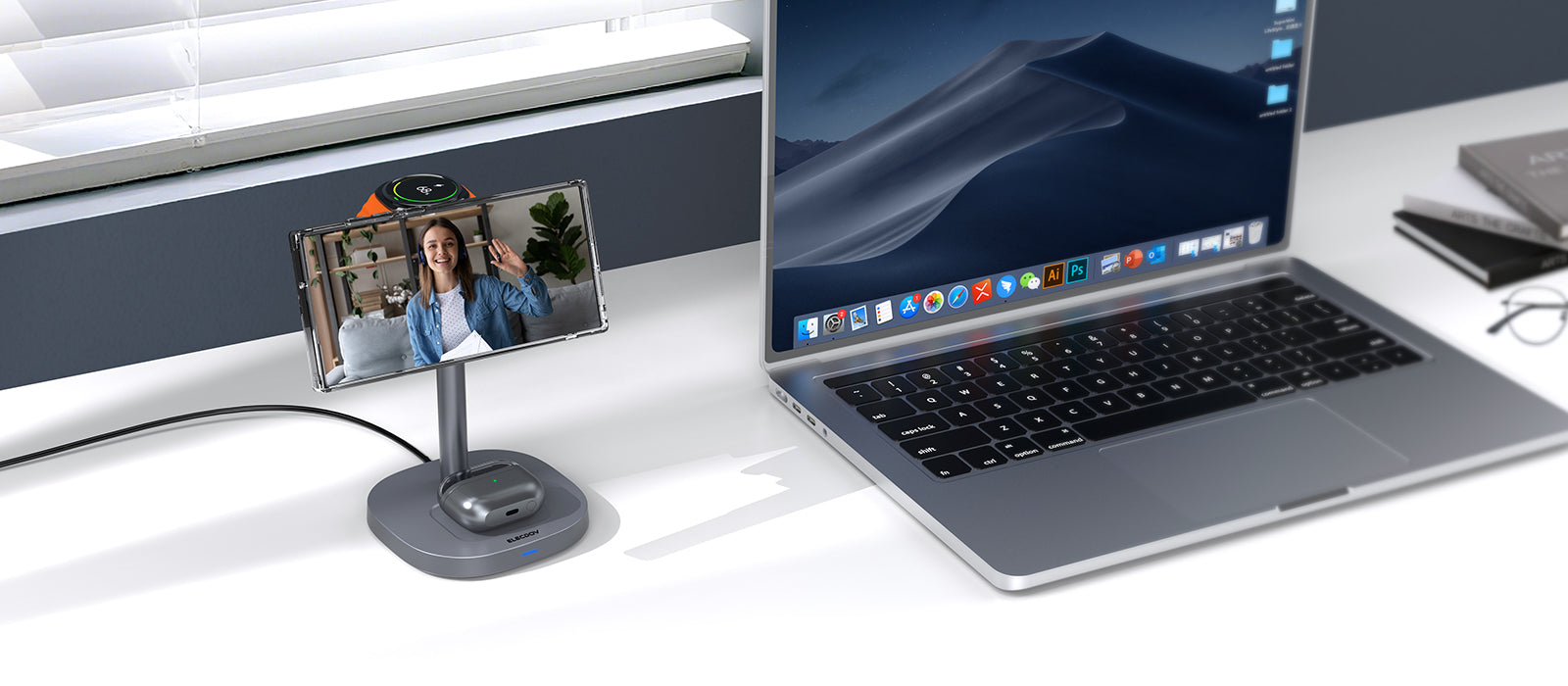
Desktop-Ladestationen stellen die größte Qi2.2-Produktkategorie dar, wobei Multi-Device-3-in-1-Konfigurationen die Verbraucherpräferenzen dominieren. Diese Produkte bieten in der Regel eine primäre Ladezone für Smartphones (bis zu 25 W), eine sekundäre Zone für Smartwatches (bis zu 5 W) und eine tertiäre Zone für kabellose Ohrhörer (bis zu 5 W). Premium-Modelle umfassen Funktionen wie verstellbare Betrachtungswinkel, atmosphärische LED-Beleuchtung und USB-C-Anschlüsse für kabelgebundenes Laden von Geräten.
Tragbare Powerbanks haben sich zu einer schnell wachsenden Qi2.2-Kategorie entwickelt, die die Nachfrage der Verbraucher nach mobilen Ladelösungen befriedigt, die dem Komfort des kabellosen Ladens zu Hause entsprechen. Diese Produkte kombinieren Batteriespeicher (typischerweise 5.000–10.000 mAh) mit Qi2.2-Sendespulen, was es Benutzern ermöglicht, Qi2.2-kompatible Geräte ohne Kabel aufzuladen. Die magnetische Ausrichtung ist besonders wertvoll bei tragbaren Anwendungen, bei denen Benutzer Geräte während des Gehens oder auf Reisen aufladen können.
Elecdov: Qi2.2-Lösungen für die Industrie
1. CE20S - 3-in-1 magnetische Ladestation für Samsung
Produktlink
Die CE20S wurde für Umgebungen im Samsung Galaxy-Ökosystem entwickelt und bietet Qi2.2-zertifiziertes 25-W-Laden für Samsung-Flaggschiffe. Die Konstruktion aus Aluminiumlegierung und die Premium-Oberfläche eignen sich für professionelle Büroumgebungen, während unabhängige thermische Schaltkreise einen sicheren Multi-Device-Betrieb gewährleisten. Ideal für Unternehmensimplementierungen mit Samsung-Hardware-Standard.
2. W98S - Samsung Qi2-zertifizierte 3-in-1 magnetische Ladestation
Produktlink
Die tiefe Integration in das Galaxy OS zeichnet dieses Modell aus; es bietet Ladebenachrichtigungen auf dem Sperrbildschirm und optimierte Leistungsprofile für Samsungs proprietäre Schnellladeprotokolle. Das vielseitige Design ist für verschiedene Galaxy-Gerätegrößen geeignet und damit ideal für Unternehmen, die diverse Samsung-Hardwaregenerationen unterstützen.
3. W103S - Magnetisches Qi2-Ladegerät für Samsung
Produktlink
Dieses kompakte Ladegerät für Einzelgeräte bietet eine Qi2.2-Leistung von 25W in einem ultra-portablen Formfaktor. Der USB-C-Stromeingang mit PD-Kompatibilität sorgt für eine breite Unterstützung von Stromquellen, was es ideal für Reisen und flexible Arbeitsplatzumgebungen macht, in denen Ladestationen häufig umpositioniert werden müssen.
4. WC01A - 3-in-1 magnetische Ladestation für iPhone
Produktlink
Die auf Apple-Umgebungen optimierte WC01A bietet Qi2.2-zertifiziertes Laden für iPhones sowie dedizierte Bereiche für Apple Watch und AirPods. Die Designsprache ergänzt die Ästhetik von Apple und eignet sich somit hervorragend für designorientierte professionelle Umgebungen.
5. WC01G - 3-in-1 magnetische Ladestation für Google
Produktlink
Die WC01G wurde für Unternehmen entwickelt, die Google Pixel-Geräte und Wear OS-Smartwatches einsetzen, und adressiert das wachsende Unternehmenssegment, das auf Google-Hardware standardisiert. Die Qi2.2-Zertifizierung gewährleistet die Kompatibilität mit aktuellen und zukünftigen Pixel-Geräten, die magnetisches kabelloses Laden unterstützen.
Die wettbewerbsintensive Dynamik auf dem Qi2.2-Markt belohnt Hersteller, die technische Exzellenz mit benutzerorientiertem Design kombinieren. Produkte, die den Ladevorgang vereinfachen und gleichzeitig Sicherheits- und Effizienzstandards einhalten, gewinnen Marktanteile, während solche, die häufiges Eingreifen des Nutzers erfordern oder Zuverlässigkeitsprobleme aufweisen, Schwierigkeiten haben, Kunden zu binden. Der strenge Zertifizierungsprozess des WPC dient als Qualitätsfilter und stellt sicher, dass alle Produkte mit Qi2.2-Kennzeichnung Mindeststandards für Leistung und Sicherheit erfüllen.
Kapitel 6: Marktausblick - 2026 und darüber hinaus
Die zweite Jahreshälfte 2026 verspricht eine anhaltende Expansion des Qi2.2-Marktes, wobei verschiedene Trends die Branchenentwicklung prägen. Das Verständnis dieser Trends ermöglicht es Herstellern, Einzelhändlern und Unternehmenskäufern, fundierte Entscheidungen über Produktentwicklung, Bestandsmanagement und Infrastrukturinvestitionen zu treffen.
Die Entwicklung von Qi2.3 und nachfolgenden Standards wird die Möglichkeiten des kabellosen Ladens über Smartphones hinaus auf Tablets, Laptops und andere leistungsstärkere Geräte ausweiten. Branchenquellen deuten darauf hin, dass das WPC aktiv Spezifikationen für 45W und höhere Leistungsstufen entwickelt, was das kabellose Laden von Tablets und Ultrabook-Laptops ermöglichen würde. Es wird erwartet, dass diese Entwicklungen bis Ende 2027 das Zertifizierungsstadium erreichen und neue Marktchancen für Möbelhersteller, Automobil-OEMs und Anbieter von Arbeitsplatzinfrastruktur schaffen.
Die Integration in Smart-Home-Ökosysteme stellt einen weiteren Wachstumsvektor dar. Qi2.2-Ladestationen verfügen zunehmend über Konnektivitätsfunktionen, die die Integration in Plattformen wie Apple HomeKit, Google Home und Amazon Alexa ermöglichen. Diese Konnektivität bietet fortschrittliche Funktionen wie die Überwachung des Energieverbrauchs, die Automatisierung von Ladeplänen und Möglichkeiten zur Verwaltung des Gerätebestands, die sowohl für Verbraucher- als auch für Unternehmensmärkte attraktiv sind.
Häufig gestellte Fragen
Q1: Wie viele Qi2.2-zertifizierte Produkte sind derzeit erhältlich?
A: Mit Stand Juli 2026 wurden über 600 Qi2.2-zertifizierte Produkte beim WPC registriert, die von Desktop-Ladegeräten und Powerbanks bis hin zu Automobillösungen und eingebetteten Anwendungen reichen.
Q2: Welche Vorteile bietet Qi2.2 gegenüber Qi2?
A: Qi2.2 liefert eine maximale Leistung von 25W (gegenüber 15W bei Qi2) bei gleichzeitiger Einhaltung strengerer thermischer Grenzwerte (40°C gegenüber 42°C), was ein schnelleres Laden ohne Kompromisse bei der Sicherheit ermöglicht.
Q3: Sind Qi2.2-Ladegeräte mit älteren Qi-Geräten kompatibel?
A: Ja, Qi2.2-Ladegeräte sind vollständig abwärtskompatibel zu Qi 1.x- und Qi2-Geräten und passen die Leistungsabgabe automatisch an die Fähigkeiten des Geräts an.
Q4: Was ist der typische Preisaufschlag für Qi2.2-Produkte?
A: Qi2.2-Produkte kosten in der Regel 15-25% mehr als vergleichbare Qi2-Produkte, was die verbesserten Komponenten und Zertifizierungsanforderungen widerspiegelt. Mengenrabatte für Unternehmen reduzieren diesen Aufschlag erheblich.
Q5: Wann werden Qi2.3- oder Standards mit höherer Leistung verfügbar sein?
A: Branchenquellen prognostizieren, dass die Qi2.3-Spezifikationen für 45W+-Geräte bis Ende 2027 das Zertifizierungsstadium erreichen und das kabellose Laden für Tablets und Laptops ermöglichen werden.
Verwandte Artikel
- Weltmeisterschaft 2026 & Qi2.2 Wireless Charging: Powern Sie Ihre Leidenschaft
- Entwicklung der Wireless-Charging-Technologie: Marktlandschaft und Zukunftsausblick für 2026
- Reiselade-Guide Sommer 2026: Wie 25W Qi2.2 magnetisches Laden die Stromversorgung unterwegs verändert
Entdecken Sie Qi2.2-Lösungen für Ihr Unternehmen
Entdecken Sie die Qi2.2-Ladeprodukte und Beschaffungsprogramme von Elecdov für den Unternehmenseinsatz.
Angebot für Unternehmen anfordern >


